Is Nevada a No-Fault or At-Fault State? How Car Accident Claims Work
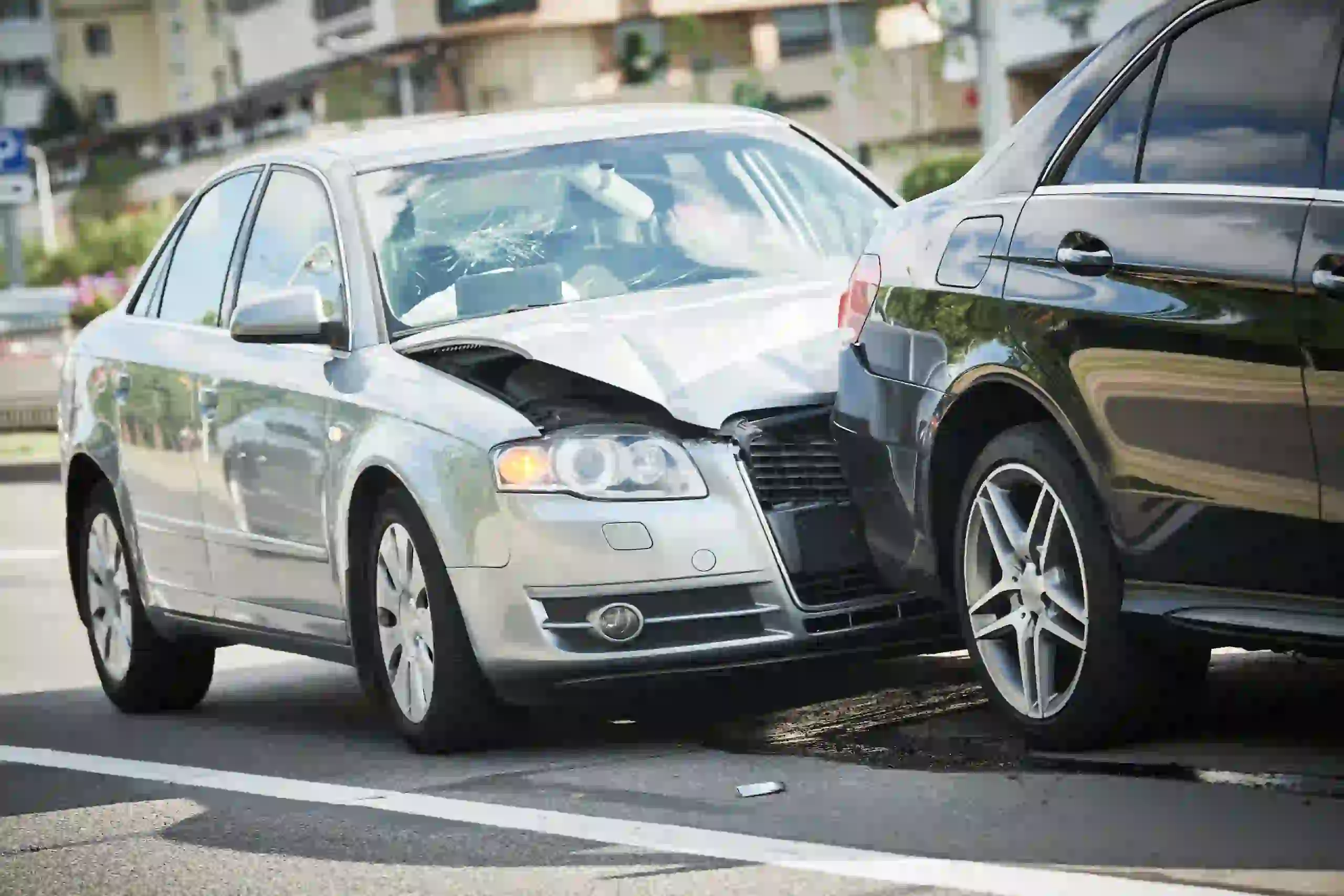
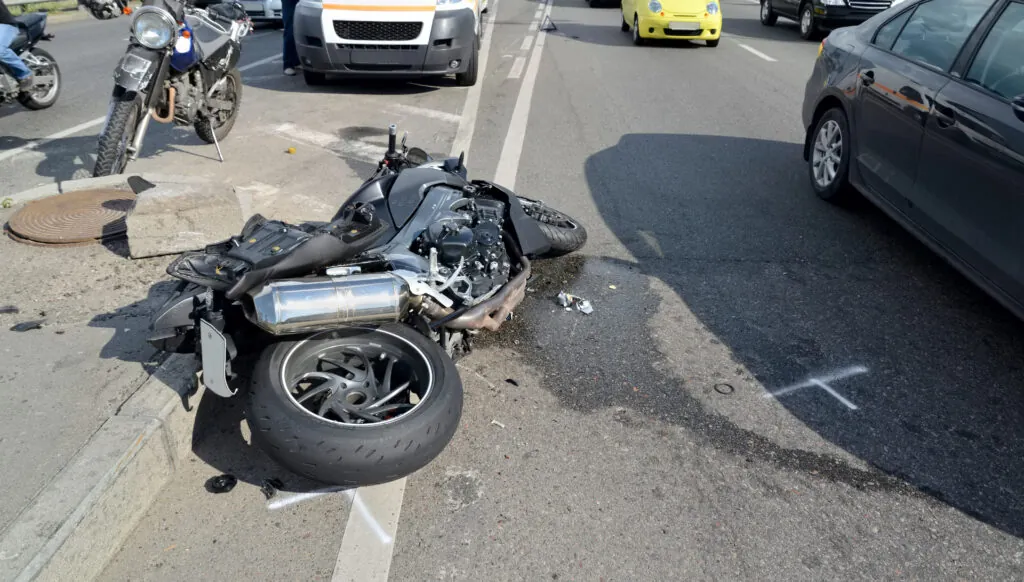
Nevada is an at-fault state, which means the driver who caused a crash — and their insurance company — is responsible for paying the damages. If you’ve heard the term “no-fault” and wondered whether it applies here, it doesn’t. That single distinction shapes how every car accident claim in the state works, so it’s worth understanding exactly what it means for you.
At-fault vs. no-fault: the core difference
In a no-fault state, after a crash each driver first turns to their own insurance — through mandatory personal injury protection (PIP) coverage — to pay for their injuries, regardless of who caused the accident. The trade-off is that your ability to sue the at-fault driver is limited under some circumstances.
In an at-fault state like Nevada, the opposite is true. The person who caused the crash is financially responsible for the harm they caused, and you pursue compensation from their insurance. Nevada does not require PIP coverage, and it does not restrict your right to hold the at-fault driver accountable. You’re free to file a claim — or a lawsuit — directly against the driver who hurt you.
What being an at-fault state means for your claim
Because Nevada is a car accident at-fault state, a few practical things follow:
- Fault must be established. Since payment depends on who caused the crash, proving fault is the heart of your claim. Police reports, witness statements, photos, and physical evidence all go toward showing the other driver was responsible.
- You claim against the other driver’s insurance. Their bodily-injury liability coverage is the primary source of compensation for your medical bills, lost wages, and pain and suffering.
- Nevada’s minimum coverage is low. Drivers are only required to carry 25/50/20 — $25,000 per person, $50,000 per accident, $20,000 property damage. Serious injuries routinely exceed those limits, which is when your own uninsured/underinsured motorist coverage can become important.
- Your own fault can reduce your recovery. This is where at-fault status meets Nevada’s comparative negligence rule: if you were partly to blame, your compensation is reduced by your percentage of fault, and barred entirely if you’re more than 50% responsible.
Why insurers care so much about fault
Here’s the practical reality: because the at-fault driver’s insurer has to pay when their driver is to blame, that insurer has every incentive to shift blame onto you. Even a small increase in your assigned percentage of fault directly lowers what they owe — and pushing you past 50% erases your claim entirely. This is why what you say to an adjuster, and how thoroughly fault is documented, can matter enormously to the outcome.
Talk to a Las Vegas car accident lawyer today
Nevada’s at-fault system puts the burden of proving fault on you — and the insurance company is working to make that as hard as possible. At Jerez Law, we build the evidence, establish who was really responsible, and fight to recover the full compensation you’re owed — in English or Spanish, with no fees unless we win. Our personal injury team is ready to help.
Contact us for a free, confidential consultation. We are available 24/7, and there’s no cost and no pressure to learn where your claim stands.
Frequently Asked Questions
Is Nevada a no-fault state for car accidents? No. Nevada is an at-fault state, which means the driver who caused the crash is responsible for the damages, and you pursue compensation from that driver’s insurance rather than your own.
Do I need PIP (personal injury protection) coverage in Nevada? Nevada does not require PIP coverage because it is not a no-fault state. Drivers must carry liability coverage of at least 25/50/20, and uninsured/underinsured motorist and medical payment coverage is optional but a valuable investment to protect you and your family.
Who pays for my injuries after a Nevada car accident? The at-fault driver’s bodily-injury liability insurance is the primary source of payment. If that driver is uninsured or underinsured, your own UM/UIM coverage may apply.
Can I still recover if I was partly at fault? Yes, as long as you were 50% or less at fault. Under Nevada’s comparative negligence rule, your recovery is reduced by your share of fault and barred only if you’re more than 50% responsible.