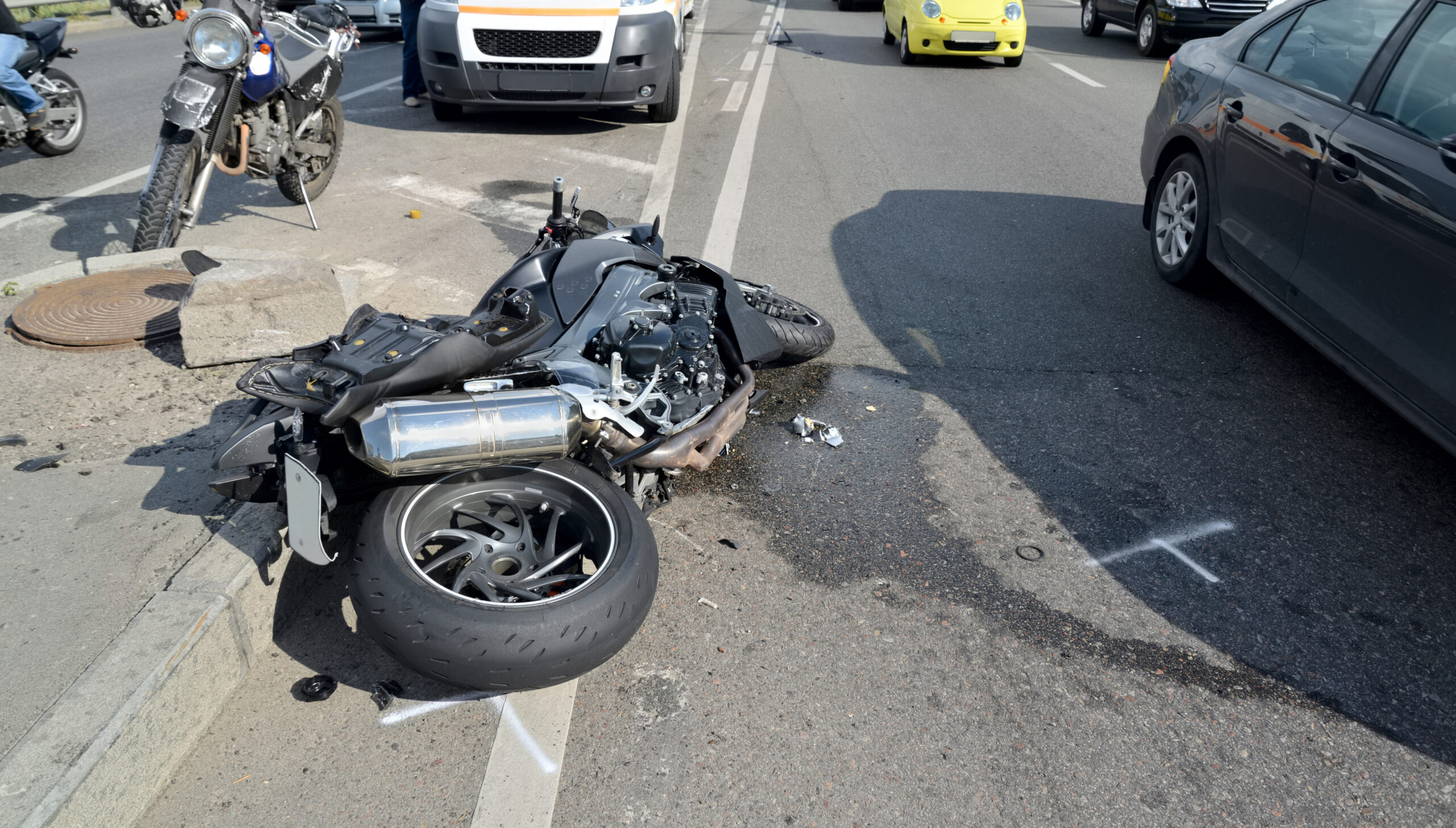


When an insurance car accident claim in Nevada is reviewed, insurance companies follow a structured evaluation process designed to assess liability, injury severity, and potential financial exposure, not simply to reimburse medical bills.
For injured drivers, understanding how insurers analyze claims helps explain why valid cases are often delayed, reduced, or disputed. It also highlights where claims commonly break down and when legal guidance becomes important.
After a car accident in Nevada, insurance adjusters examine far more than the accident itself. Medical records, timelines, consistency, and fault allocation all play a role in determining whether, and how much, compensation is offered.
1. Medical Documentation and Treatment Consistency
Insurance companies closely examine medical records to determine:
When treatment began
Whether care was consistent
If gaps in treatment exist
Delayed treatment or long gaps between appointments are often used to argue that injuries are minor or unrelated to the accident.
2. Injury Type and Severity
Claims involving objective injuries (such as fractures or visible trauma) are generally valued differently than soft-tissue injuries.
Insurers also look at:
Diagnostic imaging
Physician notes
Specialist referrals
Long-term treatment plans
The more clearly an injury is documented, the harder it is to dispute.
3. Fault and Comparative Negligence
Nevada follows a modified comparative negligence system. Insurance companies evaluate:
Police reports
Statements from drivers and witnesses
Physical evidence from the scene
If they believe you share fault, they may reduce compensation proportionally, even when liability is disputed.
4. Evidence Supporting the Claim
Strong claims typically include:
Photos or videos from the accident scene
Witness statements
Repair estimates or vehicle damage reports
Accident reconstructions, when applicable
Lack of evidence often leads insurers to challenge liability or injury causation.
5. Consistency Across Statements and Records
Insurance adjusters compare:
Medical records
Insurance statements
Accident reports
Inconsistencies, even unintentional ones, can be used to question credibility.
6. Prior Injuries or Medical History
Insurers frequently review prior medical records when evaluating an insurance car accident claim in Nevada to argue that injuries were pre-existing. Clear documentation showing how the accident worsened or aggravated a condition is critical to protecting the value of a claim.
Insurance companies do not evaluate an insurance car accident claim in Nevada emotionally; they evaluate it systematically. Understanding what they look for helps injured individuals recognize red flags, protect their claims, and make informed decisions as the process moves forward.