Nevada Dog Bite Laws: Is the Owner Liable for Your Injury?
Nevada dog bite laws surprise most people, because they don’t work the way either side assumes — and both common assumptions are wrong. Some believe the owner is automatically responsible the moment their dog bites someone. Others have heard that every dog gets “one free bite,” so a first-time bite can’t be pursued. The truth sits in between, and understanding where it actually lands is the key to knowing whether you have a case.
Here is how dog bite liability really works in Nevada.
Nevada is not a strict-liability state
Some states, California is the well-known example, have a strict-liability dog bite statute: if the dog bites, the owner is liable, period, with very few defenses. Nevada does not have that law. There is no state statute that makes a dog owner automatically responsible for every bite.
Instead, Nevada handles dog bites through negligence. That means recovery generally depends on showing that the owner failed to act as a reasonably careful person would have, by not controlling the dog, ignoring signs it was dangerous, or breaking a safety law. It is a meaningful difference, and it is why dog bite cases in Nevada turn on the facts rather than an automatic rule.
But the owner doesn’t get a “free bite” either
The flip side is just as important. You may have heard Nevada called a “one-bite state,” suggesting an owner can’t be liable until their dog has bitten once before. That is a myth — and the Nevada Supreme Court said so directly, holding decades ago that a dog is no longer entitled to “one free bite.”
What actually matters is what the owner knew or should have known. An owner who saw their dog growl, lunge, snap, or menace people in the past can be liable for the first actual bite, because that prior behavior put them on notice the dog was dangerous. Prior aggression of any kind, not a prior bite specifically, can establish that the owner knew the risk and failed to manage it.
How an owner becomes liable in Nevada
In practice, liability in a Nevada dog bite case usually comes from one or more of these:
- Negligence. The owner didn’t use reasonable care to control the dog — for example, letting an unfamiliar or agitated dog loose around people.
- Knowledge of the dog’s dangerous tendencies. The owner knew the dog had acted aggressively before and didn’t take proper precautions.
- Violating a leash or animal-control law (negligence per se). This is one of the most powerful paths. Clark County and its cities — including Las Vegas and Henderson — require dogs to be leashed or restrained in public and off the owner’s property. When an off-leash dog bites someone in violation of those rules, that violation can establish the owner’s fault even if the dog had never bitten anyone before.
- Dangerous or vicious dog statutes. Under Nevada law (NRS 202.500), a dog can be declared “dangerous” or “vicious,” and keeping a known vicious dog carries criminal exposure on top of civil liability — which can strengthen an injury claim.
The takeaway: even a first bite is often actionable in Nevada once the facts are examined. Don’t assume you have no case because the dog had a clean record.
Who actually pays for a dog bite claim?
In most cases, compensation comes from the dog owner’s homeowner’s or renter’s insurance, which typically covers dog bite liability. If the owner is uninsured or the injuries exceed the policy limits, the owner can be personally responsible, and in some situations other parties, such as a property owner who enabled the danger, may share liability. Landlords in Nevada generally are not automatically responsible for a tenant’s dog unless they did something that allowed the bite to happen.
What can reduce or complicate your claim
Two things matter here:
- Comparative negligence. Under Nevada’s fault rules (NRS 41.141), your compensation can be reduced by your share of fault, and barred entirely if you were more than 50% responsible. If a dog was provoked, or the person was trespassing, that becomes part of the analysis — which is exactly why the circumstances of the encounter matter so much.
- The deadline. Nevada generally gives you two years from the date of the bite to file a claim (NRS 11.190). Special rules can apply for injured children, but evidence is always strongest when gathered early.
What to do after a dog bite in Las Vegas
To protect both your health and any future claim:
- Get medical care and keep a full record of your treatment.
- Report the bite to local animal control so the dog’s history, vaccination, and quarantine status are documented.
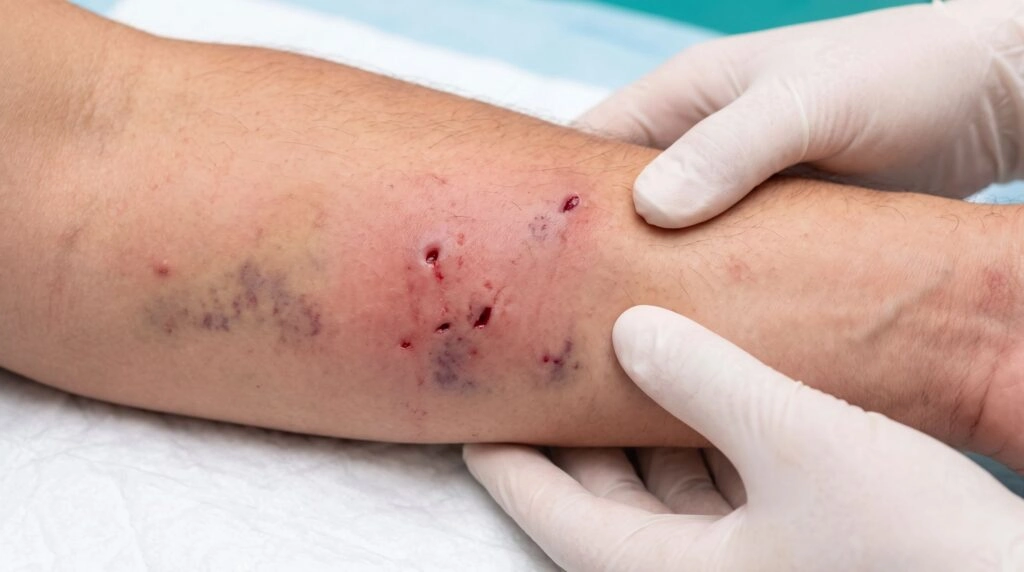
- Photograph your injuries and the scene, the leash (or lack of one), a broken fence, or warning signs.
- Get the owner’s information and any witness contacts.
These steps preserve the facts that Nevada’s negligence-based system depends on.
Talk to a Las Vegas dog bite lawyer today
Nevada dog bite law is a patchwork of negligence rules, local leash ordinances, and court decisions, and insurers know most victims don’t understand it. At Jerez Law, we investigate the facts, identify every source of liability and coverage, and fight for the compensation you deserve, in English or Spanish, with no fees unless we win. Our personal injury team is ready to review what happened.
Contact us for a free, confidential consultation. We are available 24/7, and there is no cost and no pressure to find out whether the owner can be held responsible.