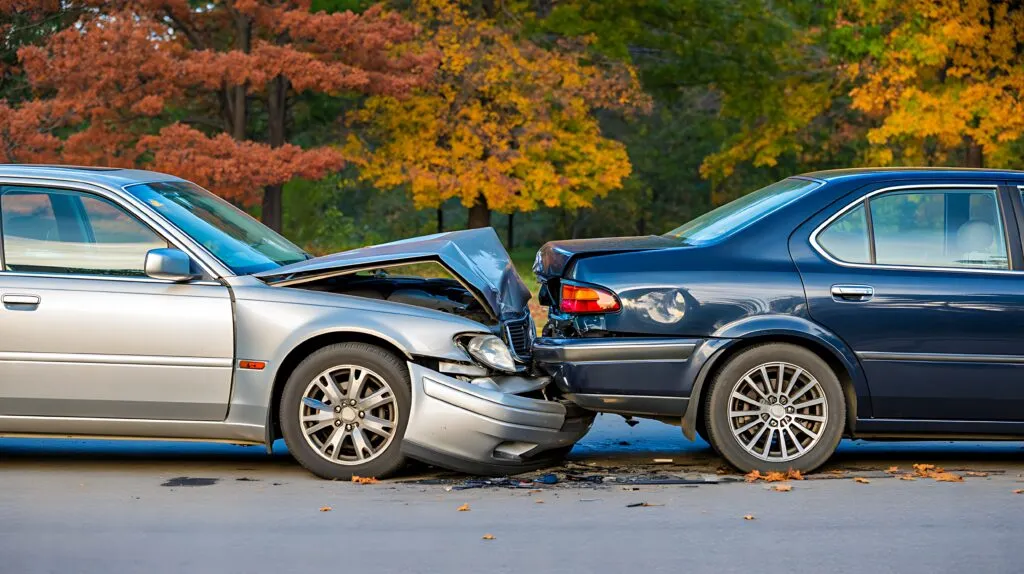
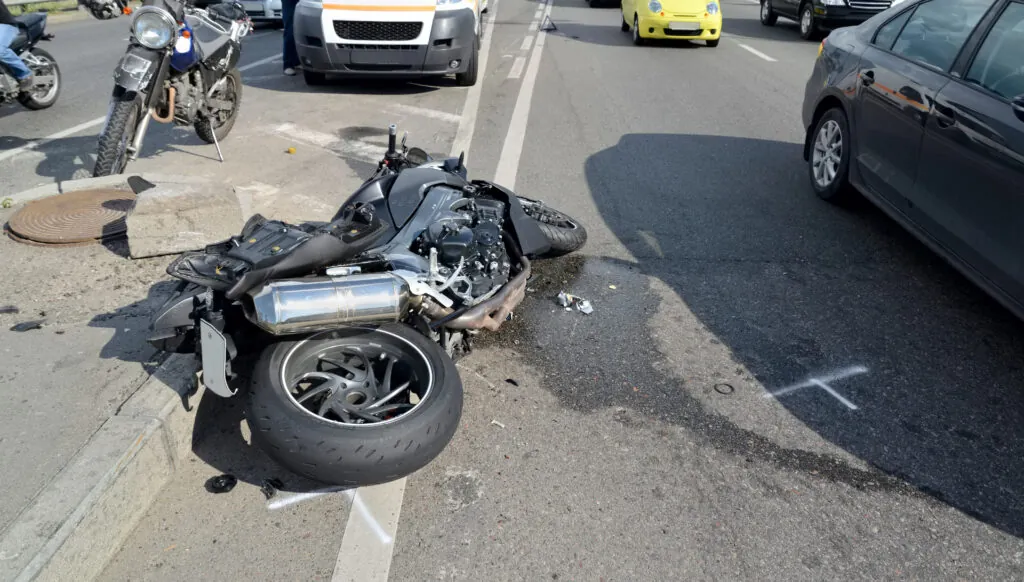
A rear end collision lawyer is often consulted after a crash that appears straightforward but later becomes complicated due to injury severity, disputed damages, or insurance resistance.
Rear-end accidents are among the most common types of car crashes in Las Vegas, yet they are frequently underestimated by insurers despite causing significant injuries.
Why Rear-End Collisions Are Often More Serious Than They Appear
Rear-end collisions are commonly associated with whiplash, but injuries can extend far beyond neck strain.
Common injuries include:
-
Whiplash and soft-tissue damage
-
Back and spinal injuries
-
Concussions and traumatic brain injuries
-
Shoulder and joint injuries
Symptoms may not appear immediately, which can complicate both medical treatment and insurance claims.
Is the Rear Driver Always at Fault?
In many rear-end collisions, the driver who struck the vehicle from behind is presumed to be at fault. However, fault is not always automatic.
Liability may be disputed when:
-
The lead vehicle stopped suddenly without warning
-
Brake lights were not functioning
-
Road hazards or weather conditions were involved
-
Multiple vehicles were involved in a chain reaction
Because fault affects compensation, these details matter.
Why Insurance Companies Push Back on Rear-End Collision Claims
Despite clear impact mechanics, insurers often challenge rear-end collision claims by:
-
Minimizing soft-tissue injuries
-
Arguing injuries are pre-existing
-
Claiming treatment delays weaken the case
-
Pressuring early settlements before injuries are fully understood
These tactics are common, especially when medical care is ongoing.
When a Rear-End Collision Lawyer May Be Helpful
Consulting a rear end collision lawyer may be appropriate when:
-
Injuries require ongoing treatment
-
Fault is disputed
-
Insurance companies delay or deny claims
-
Pain or symptoms worsen over time
-
Lost wages or future medical care are involved
Early evaluation helps ensure injuries are taken seriously and properly documented.
How a Rear-End Collision Claim Is Typically Evaluated
A rear end collision lawyer may assist by:
-
Reviewing accident reports and evidence
-
Evaluating medical records and injury timelines
-
Communicating with insurance companies
-
Assessing damages beyond immediate medical bills
Each claim is evaluated based on facts, not assumptions.
A Local Perspective on Rear-End Collisions
At Jerez Law, rear-end collision cases are evaluated based on injury impact, evidence, and how the accident affects a person’s ability to work and live normally.
Handling rear-end collision claims in Las Vegas requires understanding both local driving conditions and common insurance defenses.