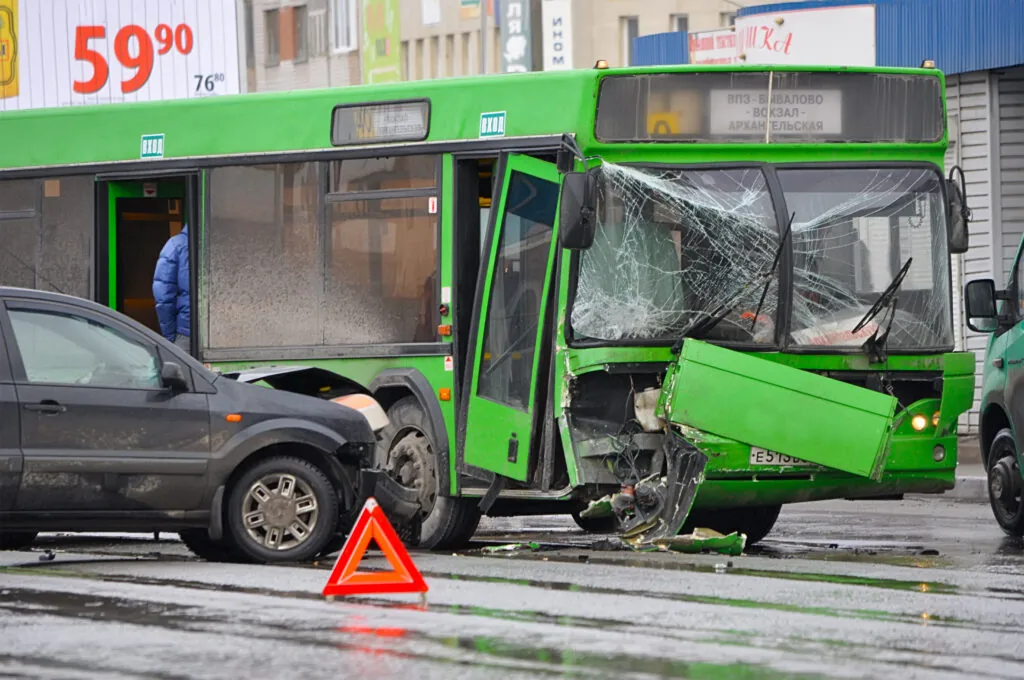
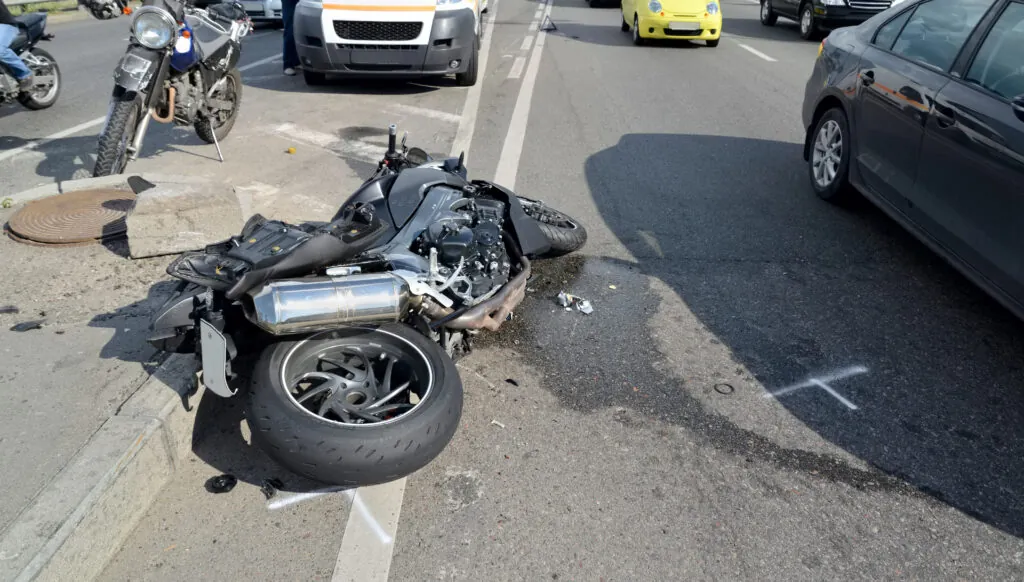
Las Vegas moves millions of people by bus and shuttle every year, and a Las Vegas bus accident lawyer handles the fallout from all of it: RTC transit buses along the Strip and Boulder Highway, the Deuce and SDX routes, hotel and airport shuttles, tour buses, and casino courtesy vans. When one of these large vehicles is involved in a crash, the injuries can be serious and the legal questions more complicated than a typical car accident. Here’s what you should know if you were hurt.
Buses are “common carriers” held to a higher standard
Under the law, buses and shuttles that transport the public are considered common carriers. That means the companies and drivers operating them owe passengers a heightened duty of care, a higher standard than an ordinary driver. When that duty is breached and someone is injured, the operator can be held liable.
This higher standard can work in an injured passenger’s favor, but proving a violation still requires evidence, including driver logs, maintenance records, camera footage, and eyewitness accounts. And the buses are stocked with cameras!
Who can be held liable in a Las Vegas bus accident?
Bus and shuttle crashes often involve multiple potentially responsible parties, including:
- The bus driver for distracted, fatigued, impaired, or negligent driving
- The transit agency or private company that employs the driver and maintains the fleet
- A maintenance contractor, if poor upkeep or a mechanical failure contributed
- Another motorist if a third-party driver caused or contributed to the crash
- A manufacturer if a defective part such as brakes, tires, or steering played a role
Sorting out which parties are responsible, and which insurance policies apply, is one of the most important parts of a bus accident claim.
Common bus and shuttle accident injuries
Passengers on buses usually have no seatbelts and can be thrown during a collision or sudden stop. Common injuries include:
- Head and traumatic brain injuries
- Neck and spinal injuries, including herniated discs
- Broken bones and fractures
- Internal injuries
- Cuts, bruises, and soft-tissue damage
Pedestrians and occupants of smaller vehicles struck by a bus often suffer even more severe harm because of the size and weight difference, much like the injuries seen in truck accidents. The most serious cases can rise to the level of a catastrophic injury.
What to do after a bus or shuttle accident
Whether you were a passenger, a pedestrian, or in another vehicle:
- Get medical attention right away, even if you feel okay, because some injuries surface days later.
- Report the accident and make sure an official incident report is created. Ask how to obtain a copy.
- Document everything, including photos of the vehicles and scene, the bus number or route, and the company name.
- Collect witness information, buses often have many passengers who saw what happened.
- Preserve evidence, bus camera footage and driver logs can be critical, but companies may not keep them indefinitely.
- Avoid recorded statements to any insurer before speaking with an attorney.
What compensation may be available
A personal injury claim can pursue damages for medical bills and future care, lost income, pain and suffering, disability, and more. If a bus accident results in death, surviving family members may have grounds for a wrongful death claim.
Talk to a Las Vegas bus accident lawyer
Bus and shuttle accident claims move fast and involve deadlines that ordinary car accidents don’t. Jerez Law can move quickly to preserve evidence, identify every responsible party, and handle the agencies and insurers on your behalf. Consultations are free, and you owe nothing unless we recover for you. Contact us today to protect your rights.